Measuring Alkalinity With CA900 Analyzer Optimizes Water Piping Corrosion Prevention Systems

Electro-Chemical Devices


For Immediate Release


Helps Extend Municipal Water Piping Life and Enhance Water Quality


Anaheim, CA—October, 23, 2023—Municipal water engineers tasked with preventing pipe corrosion by carefully balancing system pH/Alkalinity/DIC levels will find that the advanced CA900 Alkalinity Analyzer from Electro-Chemical Devices (ECD) automates routine alkalinity measurement with a highly cost-effective approach.

One of the U.S. EPA approved methods of preventing corrosion in piping requires the understanding and balancing of the proper relationship between pH, alkalinity and DIC levels. Otherwise, toxic lead and copper contaminants can be accidentally released into the water system, which corrodes piping and contaminates the drinking water.

Alkalinity is a measure of the capacity of water to neutralize acids (pH). Alkaline compounds such as bicarbonates, carbonates and hydroxides remove hydrogen (H2) ions and lower the acidity of the water to prevent pipe corrosion. Water quality depends on maintaining the proper balance of pH and alkalinity levels, which is essential in everything from drinking water production to wastewater processes.

ECD’s sophisticated CA900 Analyzer is designed with sophisticated titration technology that is used to calculate alkalinity by dispensing known doses of a titrant fluid into a reaction cell while monitoring the pH level to its end point.  The analyzer then uses the titrant concentration and amount dispensed to calculate the level of alkalinity in the sample.

Typically, the CA900 Alkalinity Analyzer performs a single measurement per analysis cycle.  Its program sequence consists of a cleaning cycle, sample acquisition, monitoring of pH, adding the titrant fluid, mixing the fluid, calculation of results and data storage.  The desired frequency of analysis between cycles can be easily modified to the requirements of the user’s process.

-More-


Alkalinity Measurement with CA900 Analyzer 

Measuring alkalinity levels with ECD’s CA900 Analyzer is especially important for the effective treatment of both municipal drinking water and wastewater, where it can affect the wastewater anaerobic digestion process. Alkalinity in surface water generally results from the presence of calcium carbonate, CaCO3, which has been leached from rocks and soil and then enters surface or ground water systems.

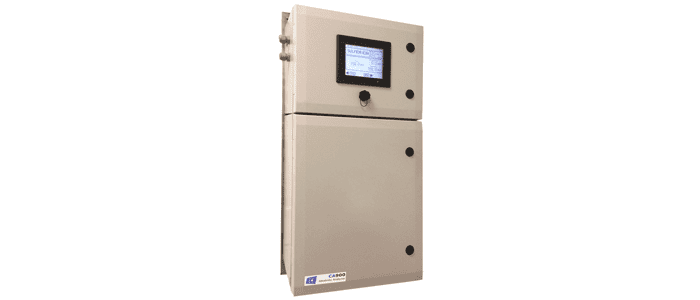
The intelligent CA900 Alkalinity Analyzer from ECD simplifies and automates measurement. Technicians can easily install and start up the CA900 Analyzer in less than 15 minutes with no special tools or training. It’s as easy as connecting the sample, the waste and reagent lines and then powering up the factory pre-calibrated analyzer. Wall mounting hardware is standard with each analyzer, but an optional bench top stand with reagent holder also is available.

ECD’s CA900 Alkalinity Analyzer features a choice of four different factory pre-set alkalinity calibration ranges: 0 to 50 ppm, 50 to 200 ppm, 200-1000 ppm, and 0 to>1000 ppm. Users simply order the desired calibration range, and the analyzer comes ready to go right out of the box. The analyzer’s full-featured design also comes with four 4-20 analog outputs, an Ethernet digital output and four user-configurable alarm relays.

Accessing information or customizing analysis routines are both easily accomplished with the CA900 Titration Analyzer’s user-friendly menu structure and touchscreen interface. The analyzer also can be web-enabled as a powerful internet of things (IoT) tool for remote monitoring and interfacing with personal handheld devices such as controllers, mobile phones, tablets, laptops and computers.

(end)

About ECD Analyzers

ECD Analyzers is a subsidiary of Electro-Chemical Devices, Inc., which is a manufacturer of liquid analytical process instrumentation. Founded in 1977, ECD has been in business for over 40 years and has built its industry leading reputation by its commitment to customers through this basic approach: Provide quality products, develop technical innovations and provide responsive, knowledgeable service.


ECD Company Contact: Eric Kim ● ECD Address:  1500 N. Kellogg Dr., Anaheim, CA 92807 USA

Web:  www.ecdi.com ● Email: sales@ecdi.com ● Tel: 800-729-1333 Tel: 714-695-0051 ● Fax: 714-695-0057

Reagent-less FC80 & FC80X Free Chlorine Analyzers Minimize Maintenance & Cut Cost of Ownership

Anaheim, CA—August 21, 2023—Water process and plant engineers bogged down by the monitoring and frequent replacement of sensor reagents will find that they can now save time and money with the FC80 Free Chlorine Analyzer and FCX80 Free-Chlorine Analyzer from Electro-Chemical Devices (ECD), which are suitable for either general-purpose use or for use in hazardous areas where potential combustible gas leaks are a concern.

The digital plug-n-play, highly intelligent FC80 Series Free Chlorine Analyzers install quickly right out of the box. Their practical panel mount design includes built-in flow control, which eliminates the need for complicated pressure regulators and rotometers. Built-in automatic pH compensation with ECD’s highly intelligent S80 pH Sensor also eliminates the need for costly reagents to reduce time-consuming maintenance and high analyzer sensor life-cycle costs.

With its FM approved and ATEX/IECEx compliant transmitter design, the rugged FCX80 Analyzer configuration is certified for hazardous locations where combustible gases can be present in water treatment areas. This rugged transmitter design helps prevent hazardous situations that could jeopardize employee safety, equipment and the surrounding area. Such gases have been responsible for serious accidents causing loss of life and facility damage.

Highly accurate and reliable, the dependable FC80 Analyzer Series monitors free chlorine in drinking water from 0.05 – 20 ppm chlorine as the standard range or 0.01 – 5.00 ppm with the low range sensor. The FC80 is compliant with EPA method 334.0 for measuring drinking water. It also supports industrial applications: rinse water, cooling water or other fresh water sampling.

Everything needed to do the job comes with the FC80 family’s complete panel mount design kit, incorporating a constant head flow control device, the S80 or S88 pH sensors, the chlorine sensor and ECD’s T80 analyzer/transmitter. Connect the sample and drain lines, connect the power and outputs, and it is ready to use. Calibration is accomplished by DPD comparison.

The intelligent FC80 Analyzer Series from ECD is designed with an amperometric sensor. This sensor measures only the hypochlorous acid component of the free chlorine sample and the analyzer calculates the balance using either the measured pH or a user defined fixed value. The pH sensor provides accurate compensation for samples between pH 6 and 9, thus eliminating expensive sample conditioning systems to control the pH of the solution.

User will find the free chlorine necessary for disinfection exists in solution as a pH dependent ratio of hypochlorous acid (~100% at pH 5) and hypochlorite ion (~100% at pH 10). Chlorine has been a popular disinfectant for water treatment to ensure public health. Disease causing organisms such as Cholera, Hepatitis A, Typhoid Fever and Dysentery are eliminated with Chlorine, along with slime bacteria, algae and molds that can grow in water storage facilities such as reservoirs and storage tanks.

Over the past decades, there have been several other methods developed to measure chlorine in drinking water applications. Colorimetric systems, for example, have been popular, but require the use of reagents that must be replaced monthly in order to ensure accurate measurement. With its amperometric sensor design, the FC80 eliminates the need for expensive reagents and offers an economical operating cost for municipal water districts that must manage tight budgets.

The go-anywhere FC80 Analyzer is available with either 110-240 VAC or 24 VDC power. Its highly intuitive user interface parameters can be graphically displayed with user defined line, bar or gauge style graphs. The standard configuration has two 4-20 mA outputs, three alarm relays and a MODBUS RTU.

Ideal for dirty or nutrient-rich environments, the FC80 is available with an Auto Clean option that includes a solenoid actuated spray cleaner using either 30 psi process water or air. An easily adjusted timer controls the period and duration of the cleaning cycle.

Accurate Sulfide Measurement Helps Optimize Oil/Gas Production and Refining Processes

Anaheim, CA—July 25, 2023—Oil and gas engineers tasked with accurately measuring hydrogen sulfide (H2S) levels in both production and refining operations will want to know more about the all-in-one CA900 Sulfide Analyzer from Electro-Chemical Devices (ECD).

The ECD CA900 Sulfide Analyzer is an all in one analyzer for the continuous measurement of sulfide ions in aqueous media, which are typically encountered at drilling production sites and in refinery operations, as well as in chemical plants.  Other applications include municipal drinking water and wastewater effluent treatment, pulp/paper plants and tanneries.

Featuring minimal reagent consumption, the CA900 Sulfide Analyzer requires less than two gallons per month providing two samples per hour, or lasting five months at two samples per hour. Users save on reagent cost and disposal fees while also minimizing technician labor time.

Hydrogen sulfide gas dissolves in water and gives it that “rotten egg” odor. It exists in acidic water as a dissolved gas, at values above pH 7. Bisulfide ions (HS) are the predominant form of sulfide and are only present at very high pH values (above pH 13), which is where sulfide ions (S-2) are present and measurable.

The ECD CA900 uses an advanced, reliable sulfide ion selective electrode (ISE) sensing technology to measure the total amount of sulfide present in the sample. This measurement must be made at the high pH levels where S-2 is present.   In order to achieve this high level of S-2, potassium .hydroxide (KOH) is added to raise the sample level to around pH 13 (a pH electrode measures the actual pH level).

Sulfide and bisulfide co-exist in a pH dependent equilibrium with the ratio of each dependent on the pH. The sulfide ISE sensor measures the sulfide present in the sample and the pH measurement infers what percentage of the total sulfide is present. The analyzer then calculates and displays the total sulfide present.

The highly caustic sample is then neutralized with HCl, and the pH is measured and displayed to verify the neutralization. The neutralization of KOH is accomplished with HCl and produces potassium chloride (KCl) salt and water. The neutralized sample can be disposed of as waste or returned to the water supply.

ECD’s CA900 S-2 Analyzer measures S-2 over a wide range from: 0.02 to 500 mg/l (0.02 to 500 ppm) over a temperature range of 20 to1 20°F (-5 to 50°C). The sample cycle rate is user changeable with a minimum cycle rate of 6 minutes per cycle time.  The analyzer’s full-featured design also comes with four 4-20 analog outputs and four configurable relays (SPDT 15A 250VAC).

The CA900 S-2 Analyzer is easy to start up and maintain. First connect the sample feed line, reagent lines and drain line to the analyzer. Mount the S-2 and pH sensors in the flow cell. Next connect the two outputs (S-2 and pH) and supply power, a switched 110/220 VAC line. Prime the peristaltic pumps and start the measurement cycle.

With a touch screen display and 4-20 mA outputs, the S-2 Analyzer will indicate the total sulfide and the neutralized pH value. A digital display indicates the S-2 measurement and the 4-20 mA output values are captured in the measurement cycle and displayed until the next measurement cycle

Accessing information or customizing analysis routines are both easily accomplished with the CA900 Analyzer’s user-friendly menu structure and touchscreen interface. The analyzer also can be web-enabled as a powerful internet of things (IoT) tool for remote in-plant monitoring and interfacing with personal handheld devices such as controllers, mobile phones, tablets, laptops and computers.

Multi Channel Controller - LQ800

ECD News Release – LQ800 Multi-Channel Controller Analyzer

The Model LQ800 Multi-Channel Controller from Electro-Chemical Devices (ECD) provides a complete analytical measurement and process solution. The LQ800 Multi Channel Controller is designed to operate with up to eight digital analytical and process sensors. The measurement parameters include well over 50 unique separate liquid measurement sensors. These measurement include: pH, ORP, Conductivity, Resistivity, Dissolved Oxygen, Selective Ion, Turbidity, Flow, Level, and many others in varying configurations for a given application. A complete list is found in the LQ800 brochure. The LQ800 Controllers digitally communicates with any ECD Intelligent Sensor, automatically configuring the controller’s menus and display screens to the measured parameter.

Industrial Water Total Chlorine Measurement Simplified and On a Budget With Highly Intelligent ECD TC80 Analyzer

Anaheim, CA—June 21, 2023—Engineers responsible for industrial rinse water, cooling or chillier water, plant water re-use and environmental effluent treatment applications will find that the TC80 Total Chlorine Analyzer from Electro-Chemical Devices (ECD) provides highly accurate and dependable liquid measurement of Chlorine (Cl 2 ) in plant water at a lower cost.

The versatile TC80 Analyzer eliminates consumables, simplifies installation and reduces maintenance with a self-cleaning design to lower the total cost of instrument ownership over its long life. This reliable analyzer is a panel-mounted unit that is ready-to-use right out of the box. It is also fully compliant with the U.S. Environmental Protection Agency’s (EPA) Method 334.0.

The TC80 Cl 2 Analyzer’s total chlorine sensor is a precision three-electrode amperometric sensor, which measures all chlorine species in the water, combined chlorine and free chlorine. It is available in either: (1) a standard high-range configuration measuring Cl 2 from 0.05 to 20 ppm or (2) a standard low-range configuration of 0.005 to 2.000 ppm. This analyzer comes factory pre-calibrated to the chosen measurement range before shipment, which also speeds set-up.

Total chlorine is defined as the combined amount of free chlorine, chloramine, organic and bound chlorine in a water sample. The TC80’s Cl 2 sensor is a three-electrode amperometric sensor with a gold cathode, silver halide anode and 304 SS counter electrode. The TC80’s built-in pH sensor provides accurate compensation for samples between pH 4 and pH 12, eliminating the need for expensive sample conditioning systems to control the pH of the solution.

The TC80 Cl 2 Analyzer is a complete solution requiring no additional third-party components. Everything needed comes in one box from ECD and is assembled on a panel mount board. The plumb-plug-and-play design incorporates a flow control device, the pH sensor, the chlorine sensor and the highly intelligent T80 transmitter, which are all conveniently mounted on the instrument’s ready-to-mount PVC panel.

There is no special technician training or tools required for installing the TC80 Cl 2 Analyzer. Technicians simply connect the sample and drain lines, connect the power and outputs and the
analyzer is ready to use. The analyzer’s amperometric sensor technology and automatic pH compensation keep the cost of ownership low by requiring no inventory of expensive reagents on a shelf, tracking/ordering of reagents or valuable technician labor time to replace them.

With its automatic flow control and large flow tubes and cells, the TC80 Analyzer greatly reduces clogs and blockages, which are a common problem in other total chlorine analyzers and allows for easy cleaning. It also can be ordered with an auto cleaning option to keep the chlorine sensor clean from water contaminants for an extended period of time. This useful time scheduled pressure-spray washer keeps particles from adhering and building up on the sensor.

For user installation flexibility, the TC80 Cl 2 Analyzer is available with either 110-240 VAC or 24 VDC power. The TC80 graphically displays both the total chlorine and pH levels, which supports
easy trend analysis. The standard configuration has two 4-20 mA outputs and three alarm relays, 24 VDC or 110/220 AC power.

Users will appreciate the choice of MODBUS and/or HART communication that is available when ordering. Both digital bus communication options report Cl 2 analysis data directly to automated process control systems that can adjust Cl 2 levels in the process stream according to real-time conditions.

Steam-Sterilizable Sensor Electrodes Beat the Heat To Measure pH, DO & ORP in Pharma Environments

Anaheim, CA—April 18, 2023—Pharmaceutical and biotech process and plant engineers who need accurate process measurements for pH, DO or ORP under sterile conditions for R&D or in pilot or full production lines will find the SE Steam Sterilizable Sensor Electrodes from Electro-Chemical Devices are an ideal solution in these demanding environment applications.

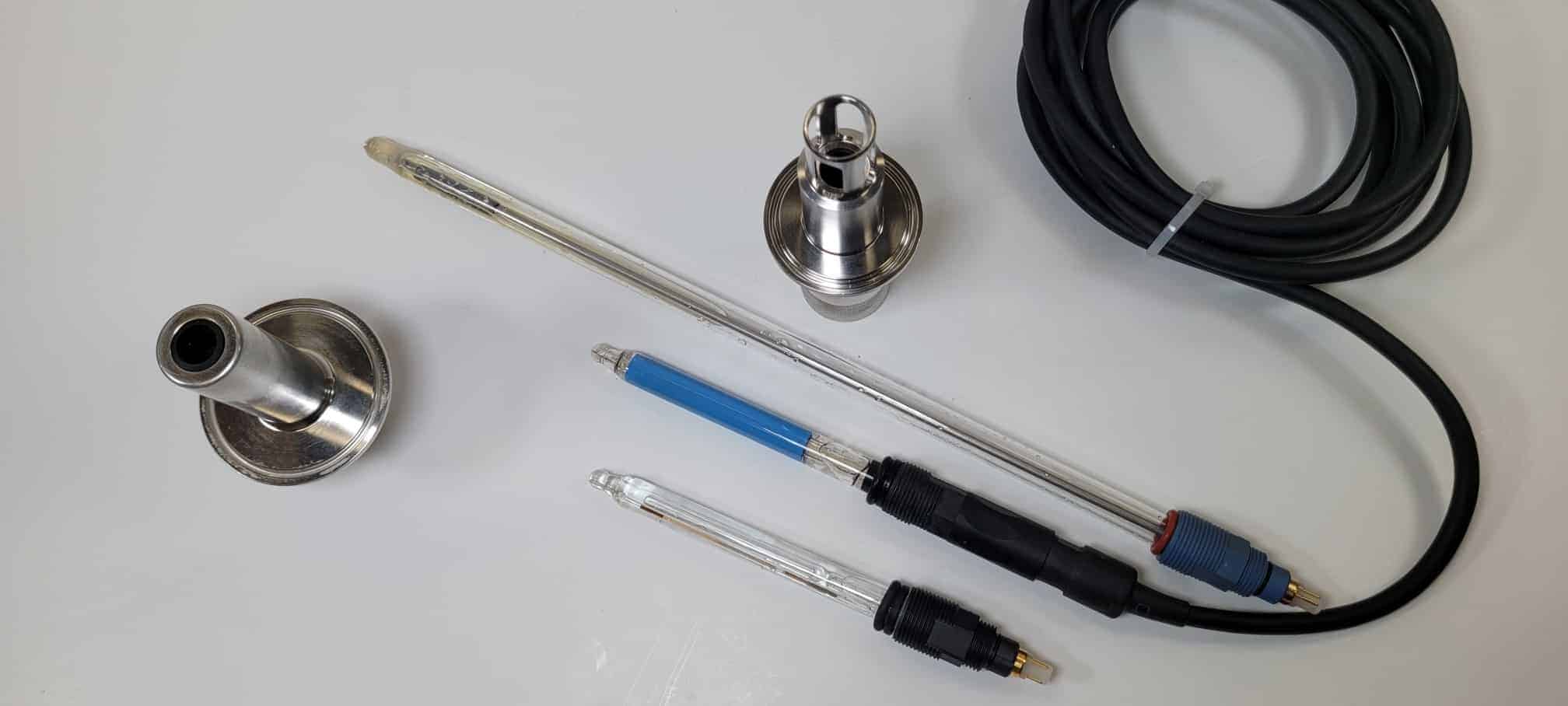
ECD’s advanced SE Series pH, ORP and DO Sensor Electrodes are 12 mm diameter size and suitable for steam sterile environment processes. The pH and ORP electrodes are gel filled, sealed combination devices. They provide many months of service with their robust design that and stable double-junction reference electrodes. Similarly, the galvanic dissolved oxygen electrode also provides stable output over months of service.

The pharmaceutical and biotech industries have numerous process applications requiring the measurement of pH and conductivity. Not all industrial liquid analyzer electrodes, however, are designed for this rugged high-temperature, and often high-pressure environment, which is necessary to ensure equipment cleanliness. The ECD steam Sterilizable Electrodes (SE) and Sterilizable Fittings (SF) provide a reliable and economical solution for these measurements.

In meeting these sterile requirements, ECD’s SE Series Electrodes provide users with a wide measurement range suitable for popular applications:  The pH electrode’s sensor tip relies on a low radius glass bulb sensor tip and measures over a range of 0.00-14.00 pH.  The DO electrode features a Teflon® PFA membrane sensor tip with a measurement range of 0 to 20 ppm.  The ORP (REDOX) electrode’s platinum sensor tip offers a range to ±1500 mV.

Designed for demanding process environments, all three SE Series Sensor Electrodes feature designs featuring wide operating temperature ranges from -5 to 130-135°C (-23 to 266-275°F) depending on the sensor type.  The pH and ORP sensors withstand pressures to 100 psig, while the DO sensor withstands pressures to 30 psig.

Wetted electrode materials include AISI 316L stainless steel with a surface finish of Ra=0.8 µm (optional Ra=0.4 µm) and include FDA compliant O-ring seals. The 25 mm (0.98 in) port fitting is available with a standard 40.64 mm (1.6 in) insertion length, common on most installations, or the longer 50.6 mm (2.4 in) insertion length needed on some B. Braun vessels.

Various insertion lengths are available in the SE Series electrodes to meet the requirements of both top entry and side entry reactors. The standard insertion lengths are 120 mm (4.72 in), 225 mm (8.85 in) and 360 mm (14.17). The process connection of the electrical connectors is PG 13.5. This broad offering allows the same SE Series pH, ORP and Dissolved Oxygen electrodes to be used in R&D pilot reactors or large scale production vessels.

The SF Series fittings for the SE Series electrodes are available in a variety of installation styles, including the 25 mm (0.98 in) port fitting and several sanitary flange styles. The SF Series complies with the basic criteria for CIP clean in place (CIP) and steam in place (SIP) applications, which were developed by the European Hygienic Equipment Design Group (EHEDG).

Sanitary flange fittings are available in 38.1 mm (1.5 in), 50.8 mm (2 in) and 76.2 mm (3 in) diameters and various insertion depths. All fittings have an electrode guard that protects a 120 mm (4.72 in) pH electrode from breakage. The guard has no value for the longer length sensors so the fittings can be ordered without the guard as an option.

Colorimetric Analyzer Measures Chromium VI Accurately To Help Safeguard Communities

Anaheim, CA—March, 21, 2022—Municipal water engineers mandated to monitor Chromium VI in drinking water will find the CA6 Colorimetric Analyzer from Electro-Chemical Devices provides precise and dependable measurement data to ensure compliance with local, state and federal drinking water safety standards.

According to the U.S. Environmental Protection Agency (EPA), chromium is an odorless and tasteless metallic element that is found naturally in rocks, plants, soil and volcanic dust, and animals. The most common forms of chromium that occur in natural waters in the environment are trivalent chromium (chromium III) and hexavalent chromium (chromium VI.)

An essential human dietary element, chromium III is found in many vegetables, fruits, meats, grains, and yeast. chromium VI, however, while it occurs naturally in the environment from the erosion of natural chromium deposits, but it also can be produced by industrial processes. There are demonstrated instances of chromium VI being released into the environment by leakage, poor storage, or inadequate industrial waste disposal practices.

Chromium VI continues to be a potential health risk. The U.S. EPA’s assumes that any measurement of total chromium is 100 percent chromium VI, which is the toxic form. If tap water from a public water system exceeds this federal standard, consumers will be notified.

ECD’s Model CA6 Colorimetric Analyzer is an on-line sequential sampling analyzer that is designed to monitor chromium VI in drinking water. It can be configured to measure chromium VI in three separate ranges: 0 to 1.0 mg/L, 0 to 10.0 mg/L or 0 to 50.0 mg/L

The CA6 Colorimetric Analyzer’s sequence of sampling, analysis and results processing is performed and repeated using colorimetric methods for high accuracy and reliability. This technology relies on an LED light source and a heated colorimetric cell designed for measuring trace amounts of manganese, iron and other analytes in water.

The CA6 analyzer is lightweight and easy to install. Weighing less than 40 pounds, it can be wall mounted or simply set on a bench using the optional bench top stand. After the sample, waste and reagent lines have been connected to the analyzer and provided with power, the CA6 will begin its preprogrammed analysis sequence.

The CA6 offers up to four separate channels (optional) each from a separate sample point. A simple, user-friendly menu structure and touchscreen interface makes it easy to access information or customize analyses.

Relying on photometric differential absorbance, the versatile CA6 Analyzer monitors chromium VI levels and over 20 other common parameters including: aluminum, iron, manganese, silica, nitrogen, iron and sulfate. It operates at a wide temperature range of 5-50°C and offers repeatability of ±2% on the absorbance value if the turbidity <80 NTU and drift of ±2% per month on the absorbance measurement.

With an intuitive, easy-to-use touch-screen display, the CA6 Analyzer displays the measured parameter, analyzer status, percent reagent volumes and the menu bar, which provides access to the run, display, program, service and help menus. It includes two alarm relay outputs and a 4-20 mA channel that connects with programmable logic controllers (PLC’s) or distributed control systems (DCS’s).

The rugged and reliable CA-6 features two separate compartments to isolate liquids and electronics and is enclosed in an epoxy powder coated, cold rolled steel cabinet. The liquids enclosure houses all the components necessary for sampling and reagent flow, mixing and reaction stages (sampling pump, reagent micro-pumps and colorimetric reaction cell).

Accurately Measuring Dissolved Organic Loads With UV-80 Sensor Using Optical Absorbance Technology

Anaheim, CA—January 18, 2023—Measuring dissolved organic loads at municipal drinking water or wastewater treatment plants, as well as in industrial plants treating water, the innovative UV80 Dissolved Organics Sensor from Electro-Chemical Devices (ECD) lets users choose to install only the sensor or add ECD’s S80 Universal Transmitter or its LQ800 Controller, or other control systems via the sensor’s Modbus compatible serial communications.

The UV80 Dissolved Organics Sensor is the ideal solution for a wide range of water analysis applications from dirty wastewater or storm water treatment processes to stored surface water or treated water or drinking water. The highly intelligent and reliable UV80 Sensor is also the perfect measurement sensor for industrial processes and systems requiring sanitary organic-free water such as food/beverage, pharmaceutical, electric power generation and semiconductor plants.

The UV80 Sensor not only helps engineers and technicians ensure water quality, but it also supports water re-use applications, such as boiler make-up water in electric power generation systems that rely on super-heated contaminant-free steam from large boilers. Many industrial processes, including cooling fans in oil/gas refineries and specialty chemical plants, also employ water re-use processes requiring water effluent decontamination to reduce water consumption and to protect the environment by meeting clean water regulations.

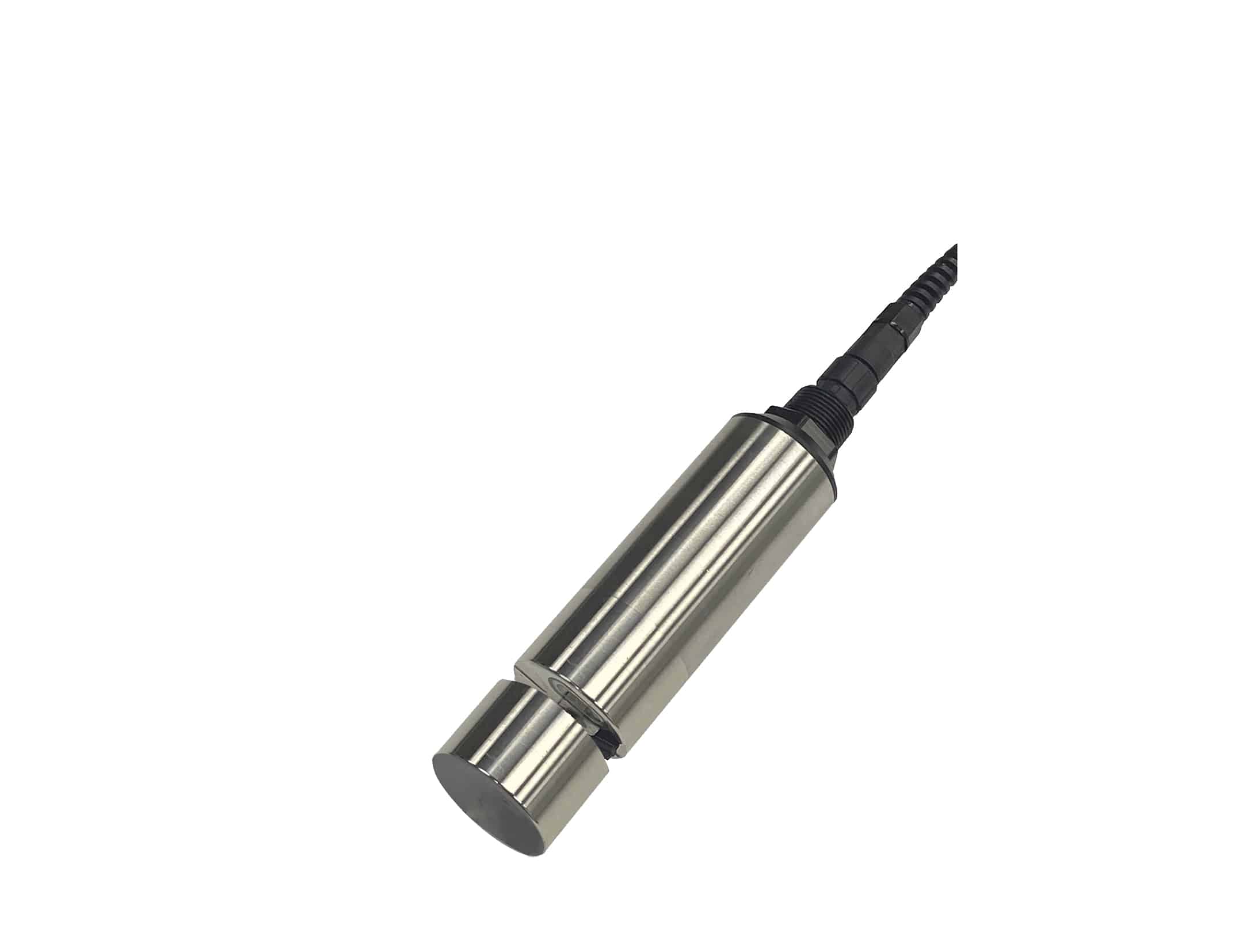
With its state-of-the art UV 254 nm optical sensing technology, the powerful UV80 Sensor relies on optical absorbance technology to measure organics in water. A UV source produces UV light radiation that passes through the optical path. The receiver analyzes the UV pulses at two different wave lengths, a measurement wavelength (254 nm) and a reference wavelength which is not influenced by the presence of organic compounds.

UV80 Sensor Monitors Dissolved Organic Loads

Typically dissolved organic substances, such as bio-solids or organic chemicals, have unique spectral characteristics capable of absorbing UV light at the wavelength of 254 nm. The light source designed into the UV80 Sensor emits UV light radiation that passes through the sensor’s optical path when in organic laden water. The receiver analyzes the UV pulses at two different wave lengths, a measurement wavelength (254 nm) and a reference wavelength which is not influenced by the presence of the organic compounds.

With its simple one or two-point calibration option, the UV80 Sensor can be pre-set at the factory or easily changed in the field by technicians with minimal training. The sensor’s low set point range is up to 370 mg/L (COD equivalent). The high-range set point is up to 1000 mg/L (COD equivalent). When the contaminant level exceeds the preset ranges, the sensor electronics send an alarm signal to the transmitter, PLC or controller.

Designed with rugged stainless steel construction, the UV80 Sensor meets IP68 requirements for ingress protection and operates over a wide temperature range of 41 to 113oF (5 to 45oC). This sensor features an advanced, automated wiper lens cleaning system, which keeps it clean in dirty fluids to avoid manual maintenance. It offers years of reliable, trouble-free service in demanding industrial process wet environments for a low total cost of ownership.

The flexible design of the UV80 Sensor features built-in RS485 serial communications and is Modbus/RTU compatible. Users can choose from ECD’s two-channel T80 Universal Transmitter or ECD’s eight-channel LQ800 Controller, or a wide range of RS485/Modbus compatible third-party controllers. Up to eight LQ800 Controllers can be networked to support large plant systems.

When the UV80 Sensor is connected to the versatile ECD T80 Transmitter or the ECD LQ800 Controller, the sensor’s information is automatically uploaded to the analyzer. It then configures the displays and outputs of the transmitter to the values appropriate to the sensor’s organic detection measurement parameters.

Highly Intelligent Oil in Water Analyzer Detects Petroleum Contamination of Industrial & Municipal Water Systems

Anaheim, CA—December 14, 2022—Engineers responsible for protecting water systems from oil contamination will find the highly accurate, reliable OIW80 Oil In Water Analyzer from Electro-Chemical Devices (ECD) helps them meet environmental regulations by detecting oily water contamination quickly and accurately to prevent damage to drinking water and sensitive ecosystems, as well as plant emergency shutdowns, product batch fouling losses, costly unplanned maintenance, state/federal regulatory corrective actions and expensive fines.

Oil in water is a serious issue for the petrochemical and many other process industries. Large industrial plant fuel pipe leaks, broken valve spills, storage tank ruptures, etc., all can lead to contamination incidents, which can affect surface water from streams, rivers or lakes, as well as ground water and water storage systems such as municipal reservoirs and water storage tanks.
Beyond petrochemical plants, other common major industries vulnerable to oil-in-water contamination include: electric power, food/beverage, electronics, pharmaceuticals and more. Oil-in-water leaks can quickly affect plant water re-use systems and effluent treatment prior to discharge at a wide range of facilities including airports, harbors, large university or corporate campuses, convention centers—anywhere paved surfaces support transportation systems.

The highly intelligent, precision OIW80 Oil in Water Analyzer reliably measures oil over a wide range of 0 to 30 ppm (mg/L), and it can be factory preconfigured to measure oil in multiple ranges or easily set in the field. This rugged, high-performance analyzer’s responsive sensor operates over a broad temperature range from 41 to 113oF (5 to 45oC) to quickly detect leaks and alert plant technicians.

OIW80 Oil In Water Analyzer

Designed for demanding and/or dirty plant environments, the highly dependable OIW80 Oil in Water Analyzer’s rugged sensor features a built-in wiper cleaning system to remove bio solids and films that might cloud the sensor window’s visibility. The sensor features a built-in automatic screen window wiper, which reduces technician manual checks and the frequency of scheduled maintenance cleanings.

The heavy-duty construction of the OIW80 sensor’s rugged housing utilizes strong, corrosion resistant Stainless Steel (standard) or optional Titanium and meets the IP68 water ingress standard. Every aspect of the sensor’s design has been tailored for years of reliable operation and trouble-free service in the demanding wet environments typical of industrial and municipal water and wastewater treatment applications.

The rugged, dependable OIW80 sensor utilizes state-of-the-art Fluorescence sensing technology for precision measurement of oil in water, which is typically proportional to its concentration. The sensor communicates directly with ECD’s versatile T80 Universal Transmitter when oil is detected.

During installation, the OIW80 System is connected to the intelligent ECD T80 Transmitter and the sensor’s calibration range information is automatically uploaded to the analyzer. It then automatically configures the displays and outputs of the transmitter to the values appropriate to the oil sensor’s measurement parameters.

The T80 Transmitters are available as either single channel or dual channel devices, allowing one analyzer to measure up to two parameters or two ranges. This transmitter is available in a 24 VDC or a 100/240 VAC power configuration. All versions are available with an optional HART® output to support integration with larger control systems.

TOC Analyzer Helps Muni Wastewater Plants Monitor Treated Effluent To Meet Environmental Regulations

Anaheim, CA—November 10, 2022—Municipal wastewater plant engineers and managers will find the Total Organic Carbon (TOC) Analyzer from Electro-Chemical Devices (ECD) helps them measure carbon levels more accurately in order to ensure effective treatment, to monitor post treatment effluent and to meet federal, state and local water environmental regulations.

ECD’s TOC Analyzer, with its UV persulfate non-dispersive infrared (NDIR) detection technology, helps plant engineers and technicians know with confidence that their wastewater treatment process is effective and that the job is complete. In addition to municipal wastewater treatment plant applications, the TOC Analyzer is also suitable for monitoring stormwater and other types of industrial water-based waste streams or for water re-use treatment applications.

In surface water, ground water, municipal wastewater or industrial wastewater, organic matter is generally present at various levels and needs to be measured and treated. Knowing the TOC level is especially important for effectively treating municipal wastewater and stormwater flows prior to plant effluent release in order to prevent the contamination of streams, rivers, lakes and ponds where sensitive wildlife including plants, fish and other aquatic creatures are present.

ECD’s TOC Analyzer is a full-featured instrument that utilizes the UV persulfate oxidation sensing method, which detects generated carbon dioxide (CO2) using its highly stable NDIR detector for analysis. This method and the analyzer conform to: US EPA, DIN, CE, ASTM and NAMUR regulations, as well as ISO.

ECD’s TOC Analyzer is simple to use: the water sample is first acidified and then sparged to remove inorganic carbon. The remaining liquid is mixed with sodium persulfate and digested by two high-performance reactors. The resulting CO2 is then stripped from the liquid and, after drying, its concentration is measured by the NDIR analyzer. The analyzer measures TOC levels ranging from 0-5 mg/L to 20,000 mg/L.

The unique design of ECD’s TOC Analyzer features a valve-free sample line, which largely eliminates blockages to help assure nearly continuous operation. The analyzer’s auto clean, auto-calibration and auto-validation functions guarantee correct, reliable values that can be reproduced at any time without the need for manual intervention.

When compared to conventional analyzers where the flow is controlled by a glass tube rotameter, the carrier gas flow with the ECD TOC Analyzer is controlled digitally. The flow is monitored via built-in smart diagnostics and if an abnormal value is detected, the analyzer stops automatically and displays a warning alert.

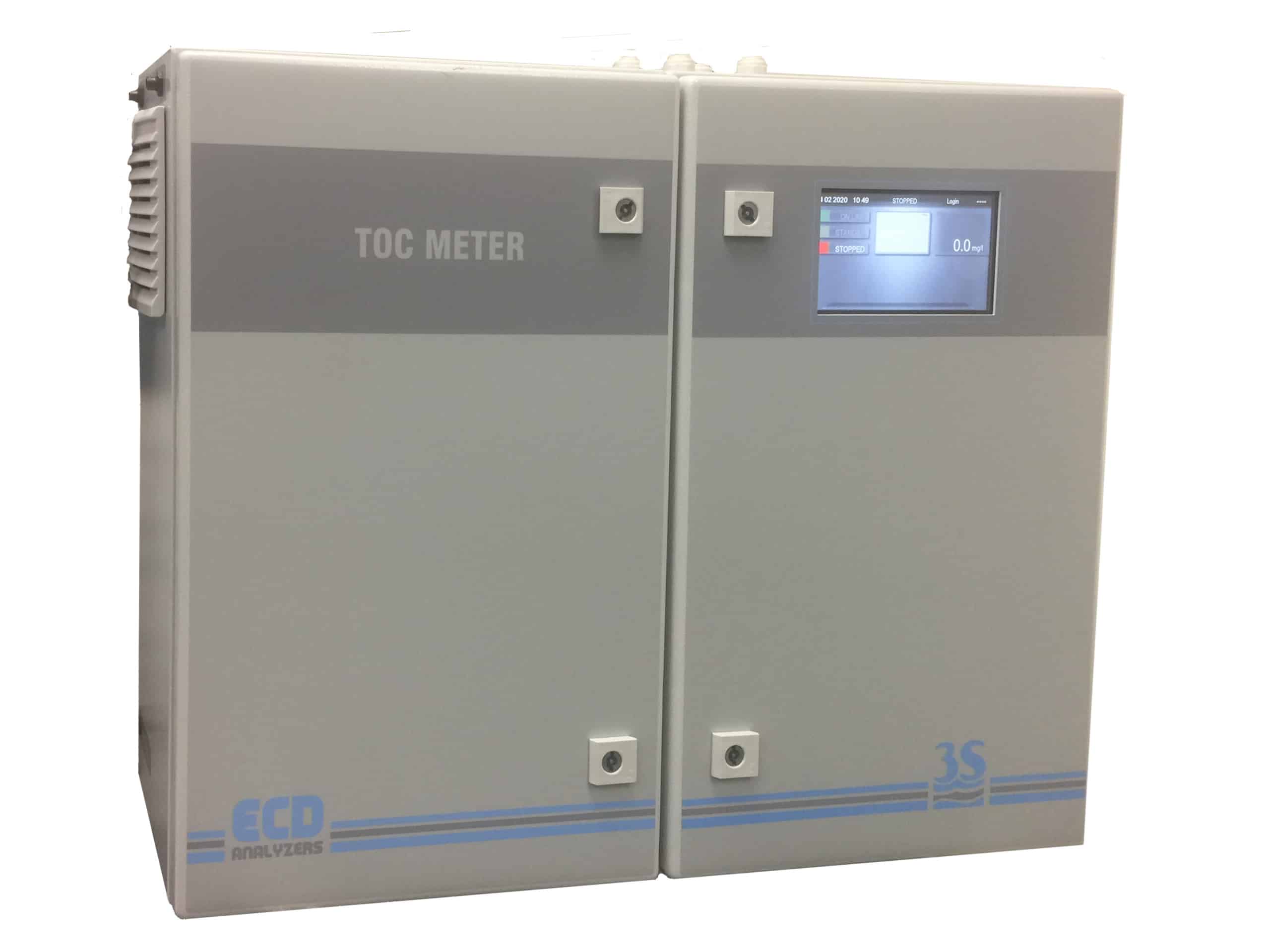
Developed for rugged, demanding plant environments, the ECD TOC Analyzer is housed in a dual compartment enclosure. The isolated water sample components are in one compartment, and the electronics are located in a second compartment for safety and highly reliable operation. The analyzer compartment is rated IP54, NEMA 3, and conforms to EN610004-2, EN610004-4, C46-022, EN 55022 and EN 61326.

Simple to install and easy to use, the highly intuitive TOC Analyzer features a user touchscreen display located on the front of the analyzer. All output/input data, status information, alarms and fault conditions are shown on the display. Simply pressing the touchscreen buttons provides access to commands and settings. The system is password protected for security.
TOCs in wastewater are regulated by the US EPA, state and local water quality standards. Many other industries rely on TOC measurement for analysis of wastewater prior to discharge. In addition, the power generation industries rely on TOC measurements for water quality concerning cooling water, condensate and boiler feed water.